Domain it-systemelektronik.de kaufen?
Wir ziehen mit dem Projekt
it-systemelektronik.de um.
Sind Sie am Kauf der Domain
it-systemelektronik.de interessiert?
domain@kv-gmbh.de · 0541-91531010
Domain it-systemelektronik.de kaufen?
Why are you sad?
As an AI language model, I don't have emotions, so I cannot feel sadness. I am here to provide information and assist with any questions you may have. Is there anything specific you would like to know or discuss? **
Wie heißt das Lied "You Make Me Smile"?
Das Lied "You Make Me Smile" wurde von Uncle Kracker veröffentlicht. Es ist ein Pop-Rock-Song, der 2009 auf seinem Album "Happy Hour" erschien. Der Song war ein großer Erfolg und erreichte hohe Chartplatzierungen. **

Ähnliche Suchbegriffe für Why-Dont-You-Smile
Top-Angebote
Produkte zum Begriff Why-Dont-You-Smile:
-
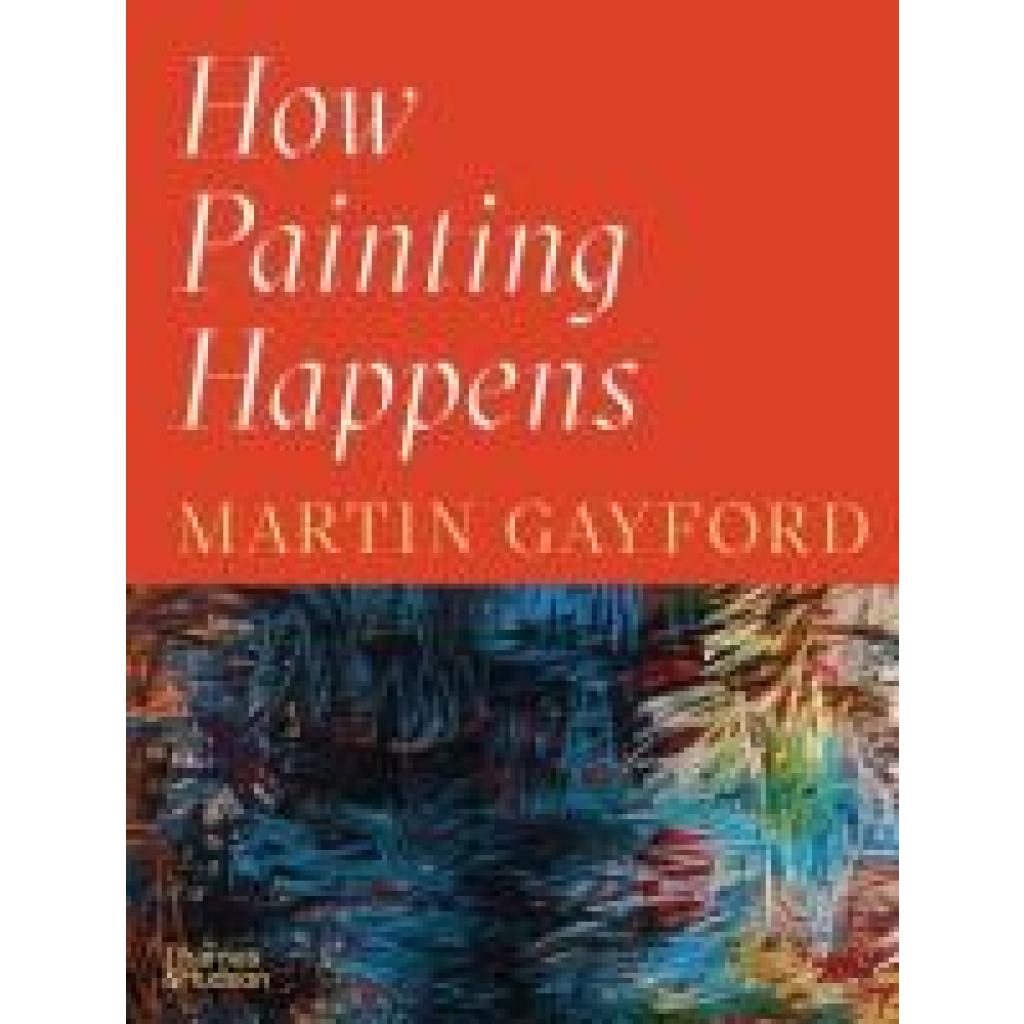
Gayford, Martin: How Painting Happens (and why it matters)How Painting Happens (and why it matters) , A Times Book of the Year 'This is as clear a piece of writing about the experience of looking at a great painting as I have ever read ... Gayford seems to have seen everything and thought deeply about all of it' Andrew Marr, New Statesman 'If you are someone who revels in the deliciousness of oil paintings, who looks at them and wants to eat them 'as if they were ice cream or something', in Damien Hirst's phrase, then Martin Gayford's latest book will be a banquet' The Spectator 'Martin Gayford, long-serving critic and art historian, is a trusted insider and a favoured guest of the most celebrated talents in the UK and beyond. If anyone knows what makes them tick, it ought to be this latter-day Vasari ... Stimulating and sumptuously illustrated' Financial Times 'From El Greco to Picasso, Martin Gayford's How Painting Happens offers us an encyclopedic journey through art history' Daily Telegraph 'A remarkable painting can move the soul. So how does it come about? Martin Gayford brilliantly marks out the path from inspiration to execution' The Irish Times Drawing on decades of conversations with practising artists, Martin Gayford offers intimate insight into the practice, meaning and potential of painting. Painting is an almost inconceivably ancient activity that remains vigorously alive in the twenty-first century. Every successful painting creates a new world, which we inhabit for as long as we care to look at it. Paintings can incorporate profound ideas and paradoxes that can be grasped without words. For those who dedicate themselves to it, the art of painting can become an all-consuming, lifelong obsession. It is a subject on which painters themselves are often the most incisive commentators. Martin Gayford's riveting and richly illustrated book deftly brings together numerous artists' voices, past and present. It draws on a trove of conversations conducted over more than three decades with artists including Frank Auerbach, Gillian Ayres, Frank Bowling, Cecily Brown, Peter Doig, Lucian Freud, Katharina Fritsch, David Hockney, Claudette Johnson, Lee Ufan, Paula Rego, Gerhard Richter, Bridget Riley, Jenny Saville, Frank Stella, Luc Tuymans, Zeng Fanzhi and many more. Here too is Vincent van Gogh on Rembrandt, John Constable on Titian, Francis Bacon on Velazquez, R. B. Kitaj on Cézanne and Jean-Michel Basquiat on Picasso. We hear the personal reflections of these artists on their chosen medium; how and why they paint; how they came to the practice; the influence of fellow painters; and how they find creative sustenance and inspiration in their art. How Painting Happens crosses the centuries to give us a wealth of insights into the endlessly compelling phenomenon of painters and painting. , > , Erscheinungsjahr: 20240926, Produktform: Leinen, Autoren: Gayford, Martin, Seitenzahl/Blattzahl: 384, Abbildungen: Illustrated in colour, Themenüberschrift: ART / Reference, Fachschema: Malerei (Kunst), Fachkategorie: Kunst: allgemeine Themen~Kunst: Grundlagen und Techniken~Nachschlagewerke, Warengruppe: HC/Kunst allgemein, UNSPSC: 49019900, Warenverzeichnis für die Außenhandelsstatistik: 49019900, Länge: 246, Breite: 186, Höhe: 45, Gewicht: 1280, Produktform: Gebunden, Genre: Importe,35,70 €*Versand: 0,00 €Sichere Weiterleitung zum Anbieter
-
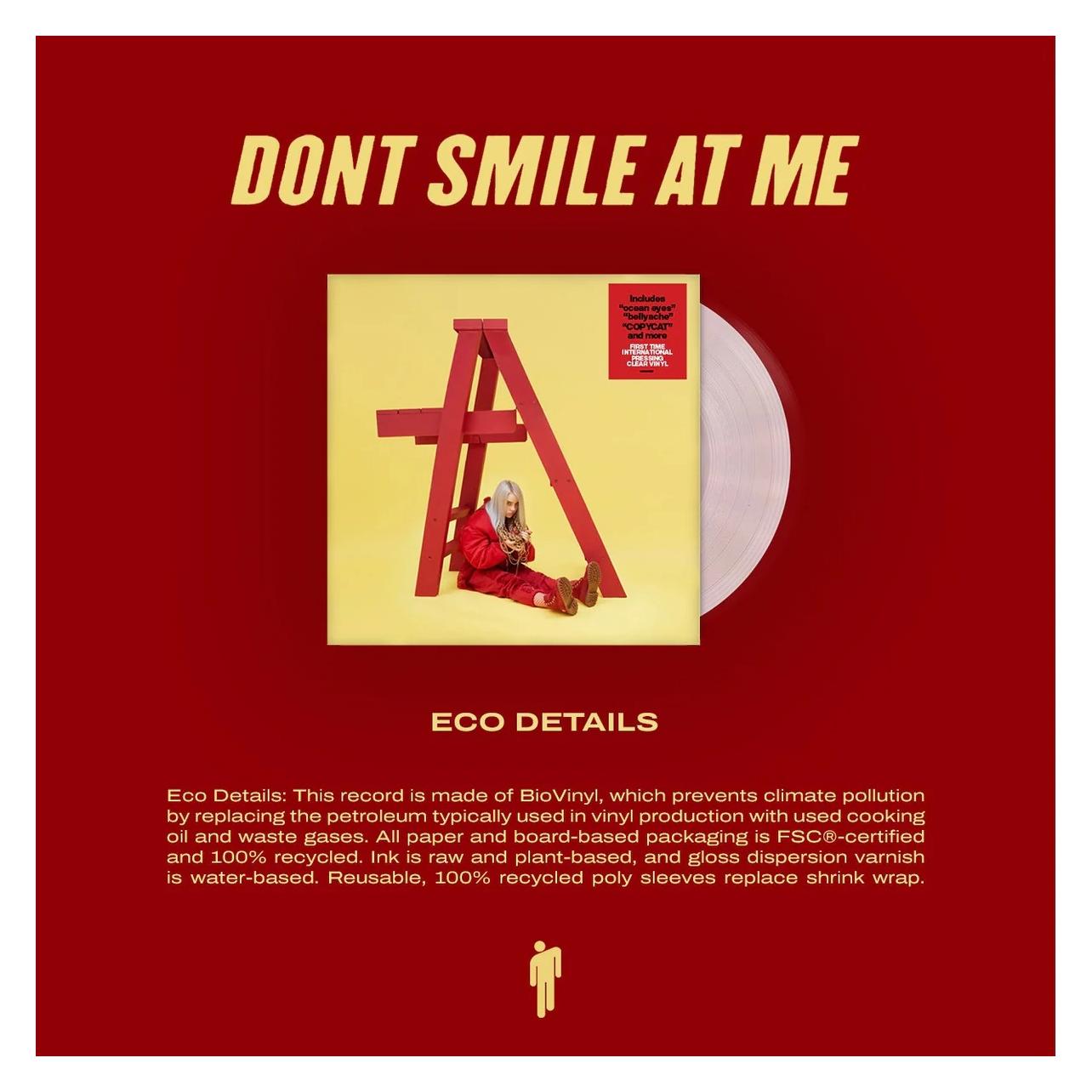
United Medical Partners, Schallplatten, dont smile at me (First International Pressing Clear Vinyl) (VINYL) (Billie Eilish)United Medical Partners, Schallplatten, dont smile at me (First International Pressing Clear Vinyl) (VINYL) (Billie Eilish)39,91 €*Versand: 0,00 €Sichere Weiterleitung zum Anbieter
-
United Medical Partners dont smile at me (First International Pressing Clear Vinyl) (VINYL) (Billie Eilish) (199957236263)United Medical Partners dont smile at me (First International Pressing Clear Vinyl) (VINYL) (Billie Eilish) (199957236263)39,91 €*Versand: 0,00 €Sichere Weiterleitung zum Anbieter

-
Kennt jemand einen Anime, der ähnlich ist wie "Why the Hell Are You Here, Teacher?"
Ein Anime, der ähnliche Elemente wie "Why the Hell Are You Here, Teacher?" enthält, ist "To Love-Ru". Beide Anime handeln von einer männlichen Hauptfigur, die von verschiedenen weiblichen Charakteren umgeben ist und in komischen und unangenehmen Situationen landet. Beide Anime haben auch eine romantische Komponente und enthalten Fanservice. **
-
Was ersetzt Dont Französisch?
'Dont' im Französischen kann je nach Kontext verschiedene Bedeutungen haben. Es kann als Relativpronomen verwendet werden, um auf eine vorherige Nennung zu verweisen. Es kann auch als Konjunktion verwendet werden, um einen Grund oder eine Erklärung einzuleiten. In manchen Fällen kann es auch als Präposition verwendet werden, um Besitz oder Zugehörigkeit auszudrücken. Wenn du wissen möchtest, was 'dont' im Deutschen oder Englischen ersetzt, hängt es also davon ab, in welchem Kontext es im Französischen verwendet wird.' **
-
Wann nehme ich dont?
"Wann nehme ich dont?" ist keine korrekte Fragestellung im Englischen. Die richtige Frage wäre "When do I use 'don't'?" In der englischen Sprache wird "don't" als Kurzform für "do not" verwendet, um Verneinungen auszudrücken. Man benutzt "don't" zum Beispiel in Verneinungen von Aussagen im Simple Present oder Simple Past. Es wird auch verwendet, um Verneinungen in Fragen zu bilden, wie zum Beispiel "Don't you like ice cream?" oder "Don't they live in that house?" In informellen Gesprächen wird "don't" oft verwendet, um eine Verneinung klar und prägnant auszudrücken. **
-
Wann setzt man Dont ein?
"Dont" wird als Kurzform von "do not" verwendet, um Verneinungen im Englischen auszudrücken. Man setzt "dont" ein, wenn man etwas verbieten, warnen oder eine negative Handlung ausdrücken möchte. Zum Beispiel: "Don't touch the hot stove" (Berühre nicht den heißen Herd), "Don't forget to lock the door" (Vergiss nicht, die Tür abzuschließen) oder "Don't worry, everything will be fine" (Mach dir keine Sorgen, alles wird gut). Es wird auch verwendet, um allgemeine Ratschläge oder Anweisungen zu geben, wie in "Don't forget to brush your teeth before bed" (Vergiss nicht, vor dem Schlafengehen die Zähne zu putzen). **


Did you already do it?
I am an AI language model and do not have the ability to physically complete tasks. However, if you provide more information about what "it" refers to, I may be able to assist you with information or guidance on the topic. **
Wann benutzt man "dont" im Französischen?
"Ne...pas" ist die gebräuchlichste Verneinung im Französischen. "Dont" wird verwendet, um sich auf einen vorherigen Satz oder Ausdruck zu beziehen. Es wird oft mit Verben wie "avoir besoin de" (brauchen), "parler de" (sprechen von) oder "se souvenir de" (sich erinnern an) verwendet. **
Top-Angebote
Produkte zum Begriff Why-Dont-You-Smile:
-
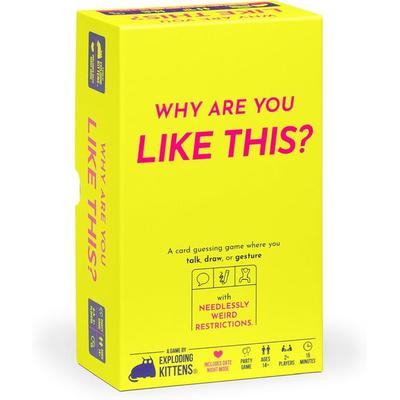
Why Are You Like This?Das Spiel 'why Are You Like This?' Bietet Unterhaltsame Und Herausfordernde Fragen, Die Zum Nachdenken Anregen Und Für Lustige Diskussionen Sorgen. Ideal Für Gesellige Abende Mit Freunden Oder Der Familie. Fördert Kommunikation Und Kreativität,...18,19 €*Versand: 2,95 €Sichere Weiterleitung zum Anbieter
-
Gayford, Martin: How Painting Happens (and why it matters)How Painting Happens (and why it matters) , A Times Book of the Year 'This is as clear a piece of writing about the experience of looking at a great painting as I have ever read ... Gayford seems to have seen everything and thought deeply about all of it' Andrew Marr, New Statesman 'If you are someone who revels in the deliciousness of oil paintings, who looks at them and wants to eat them 'as if they were ice cream or something', in Damien Hirst's phrase, then Martin Gayford's latest book will be a banquet' The Spectator 'Martin Gayford, long-serving critic and art historian, is a trusted insider and a favoured guest of the most celebrated talents in the UK and beyond. If anyone knows what makes them tick, it ought to be this latter-day Vasari ... Stimulating and sumptuously illustrated' Financial Times 'From El Greco to Picasso, Martin Gayford's How Painting Happens offers us an encyclopedic journey through art history' Daily Telegraph 'A remarkable painting can move the soul. So how does it come about? Martin Gayford brilliantly marks out the path from inspiration to execution' The Irish Times Drawing on decades of conversations with practising artists, Martin Gayford offers intimate insight into the practice, meaning and potential of painting. Painting is an almost inconceivably ancient activity that remains vigorously alive in the twenty-first century. Every successful painting creates a new world, which we inhabit for as long as we care to look at it. Paintings can incorporate profound ideas and paradoxes that can be grasped without words. For those who dedicate themselves to it, the art of painting can become an all-consuming, lifelong obsession. It is a subject on which painters themselves are often the most incisive commentators. Martin Gayford's riveting and richly illustrated book deftly brings together numerous artists' voices, past and present. It draws on a trove of conversations conducted over more than three decades with artists including Frank Auerbach, Gillian Ayres, Frank Bowling, Cecily Brown, Peter Doig, Lucian Freud, Katharina Fritsch, David Hockney, Claudette Johnson, Lee Ufan, Paula Rego, Gerhard Richter, Bridget Riley, Jenny Saville, Frank Stella, Luc Tuymans, Zeng Fanzhi and many more. Here too is Vincent van Gogh on Rembrandt, John Constable on Titian, Francis Bacon on Velazquez, R. B. Kitaj on Cézanne and Jean-Michel Basquiat on Picasso. We hear the personal reflections of these artists on their chosen medium; how and why they paint; how they came to the practice; the influence of fellow painters; and how they find creative sustenance and inspiration in their art. How Painting Happens crosses the centuries to give us a wealth of insights into the endlessly compelling phenomenon of painters and painting. , > , Erscheinungsjahr: 20240926, Produktform: Leinen, Autoren: Gayford, Martin, Seitenzahl/Blattzahl: 384, Abbildungen: Illustrated in colour, Themenüberschrift: ART / Reference, Fachschema: Malerei (Kunst), Fachkategorie: Kunst: allgemeine Themen~Kunst: Grundlagen und Techniken~Nachschlagewerke, Warengruppe: HC/Kunst allgemein, UNSPSC: 49019900, Warenverzeichnis für die Außenhandelsstatistik: 49019900, Länge: 246, Breite: 186, Höhe: 45, Gewicht: 1280, Produktform: Gebunden, Genre: Importe,35,70 €*Versand: 0,00 €Sichere Weiterleitung zum Anbieter
-
Why are you sad?
As an AI language model, I don't have emotions, so I cannot feel sadness. I am here to provide information and assist with any questions you may have. Is there anything specific you would like to know or discuss? **
-
Wie heißt das Lied "You Make Me Smile"?
Das Lied "You Make Me Smile" wurde von Uncle Kracker veröffentlicht. Es ist ein Pop-Rock-Song, der 2009 auf seinem Album "Happy Hour" erschien. Der Song war ein großer Erfolg und erreichte hohe Chartplatzierungen. **
-
Kennt jemand einen Anime, der ähnlich ist wie "Why the Hell Are You Here, Teacher?"
Ein Anime, der ähnliche Elemente wie "Why the Hell Are You Here, Teacher?" enthält, ist "To Love-Ru". Beide Anime handeln von einer männlichen Hauptfigur, die von verschiedenen weiblichen Charakteren umgeben ist und in komischen und unangenehmen Situationen landet. Beide Anime haben auch eine romantische Komponente und enthalten Fanservice. **
-
Was ersetzt Dont Französisch?
'Dont' im Französischen kann je nach Kontext verschiedene Bedeutungen haben. Es kann als Relativpronomen verwendet werden, um auf eine vorherige Nennung zu verweisen. Es kann auch als Konjunktion verwendet werden, um einen Grund oder eine Erklärung einzuleiten. In manchen Fällen kann es auch als Präposition verwendet werden, um Besitz oder Zugehörigkeit auszudrücken. Wenn du wissen möchtest, was 'dont' im Deutschen oder Englischen ersetzt, hängt es also davon ab, in welchem Kontext es im Französischen verwendet wird.' **
Ähnliche Suchbegriffe für Why-Dont-You-Smile
-
United Medical Partners, Schallplatten, dont smile at me (First International Pressing Clear Vinyl) (VINYL) (Billie Eilish)United Medical Partners, Schallplatten, dont smile at me (First International Pressing Clear Vinyl) (VINYL) (Billie Eilish)39,91 €*Versand: 0,00 €Sichere Weiterleitung zum Anbieter
-
United Medical Partners dont smile at me (First International Pressing Clear Vinyl) (VINYL) (Billie Eilish) (199957236263)United Medical Partners dont smile at me (First International Pressing Clear Vinyl) (VINYL) (Billie Eilish) (199957236263)39,91 €*Versand: 0,00 €Sichere Weiterleitung zum Anbieter
-
What? When? Why? You should not eat!, Ratgeber von Victor BogatyrDas Buch "What? When? Why? You should not eat!" richtet sich an eine breite Leserschaft, unabhängig von Alter, Gesundheitszustand oder beruflichem Hintergrund. Es beleuchtet die oft missverstandenen Aspekte der Ernährung und die weit verbreiteten Mythen, die das Verständnis von gesunder Ernährung erschweren. Der Autor, Victor Bogatyr, bietet eine kritische Analyse der gängigen Vorstellungen über Lebensmittel und deren Auswirkungen auf die Gesundheit. In einer Zeit, in der der Zugang zu Informationen über das Internet allgegenwärtig ist, wird es zunehmend schwieriger, zwischen fundierten Informationen und kommerziellen Interessen zu unterscheiden. Dieses Buch zielt darauf ab, Klarheit zu schaffen und die Leser dazu zu ermutigen, sich mit den grundlegenden Prinzipien der Ernährung auseinanderzusetzen, die von der Natur selbst entwickelt wurden. Es ist ein wertvoller Ratgeber für alle, die ihre Ernährung bewusster gestalten möchten und die Mythen rund um das Thema Essen hinterfragen wollen.39,80 €*Versand: 0,00 €Sichere Weiterleitung zum Anbieter
-
Wann nehme ich dont?
"Wann nehme ich dont?" ist keine korrekte Fragestellung im Englischen. Die richtige Frage wäre "When do I use 'don't'?" In der englischen Sprache wird "don't" als Kurzform für "do not" verwendet, um Verneinungen auszudrücken. Man benutzt "don't" zum Beispiel in Verneinungen von Aussagen im Simple Present oder Simple Past. Es wird auch verwendet, um Verneinungen in Fragen zu bilden, wie zum Beispiel "Don't you like ice cream?" oder "Don't they live in that house?" In informellen Gesprächen wird "don't" oft verwendet, um eine Verneinung klar und prägnant auszudrücken. **
-
Wann setzt man Dont ein?
"Dont" wird als Kurzform von "do not" verwendet, um Verneinungen im Englischen auszudrücken. Man setzt "dont" ein, wenn man etwas verbieten, warnen oder eine negative Handlung ausdrücken möchte. Zum Beispiel: "Don't touch the hot stove" (Berühre nicht den heißen Herd), "Don't forget to lock the door" (Vergiss nicht, die Tür abzuschließen) oder "Don't worry, everything will be fine" (Mach dir keine Sorgen, alles wird gut). Es wird auch verwendet, um allgemeine Ratschläge oder Anweisungen zu geben, wie in "Don't forget to brush your teeth before bed" (Vergiss nicht, vor dem Schlafengehen die Zähne zu putzen). **
-
Did you already do it?
I am an AI language model and do not have the ability to physically complete tasks. However, if you provide more information about what "it" refers to, I may be able to assist you with information or guidance on the topic. **
-
Wann benutzt man "dont" im Französischen?
"Ne...pas" ist die gebräuchlichste Verneinung im Französischen. "Dont" wird verwendet, um sich auf einen vorherigen Satz oder Ausdruck zu beziehen. Es wird oft mit Verben wie "avoir besoin de" (brauchen), "parler de" (sprechen von) oder "se souvenir de" (sich erinnern an) verwendet. **
* Alle Preise verstehen sich inklusive der gesetzlichen Mehrwertsteuer und ggf. zuzüglich Versandkosten. Die Angebotsinformationen basieren auf den Angaben des jeweiligen Shops und werden über automatisierte Prozesse aktualisiert. Eine Aktualisierung in Echtzeit findet nicht statt, so dass es im Einzelfall zu Abweichungen kommen kann. ** Hinweis: Teile dieses Inhalts wurden von KI erstellt.